Inspect
We identify the substrate, its condition and the layer that needs to be removed.
Specialist laser cleaning
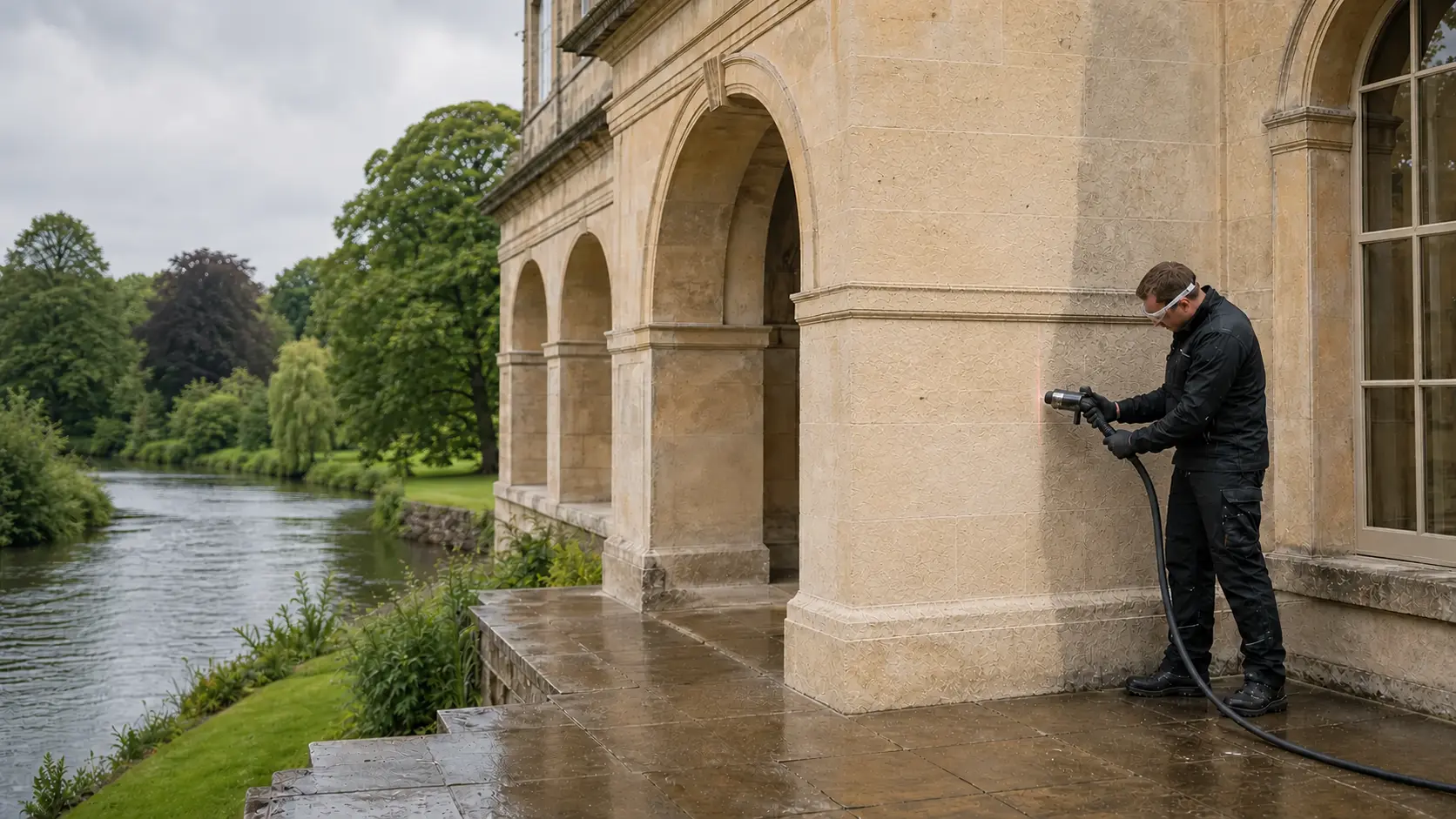
Revivastone provides controlled laser cleaning for historic stone façades, carved details, timber features and architectural metalwork.
We remove unwanted deposits, old coatings and corrosion with a process tailored to the material beneath—helping retain its texture, detail and age-earned character while preparing the surface for the correct next stage.
Our specialisation
Stone and historic masonry are our principal specialism. The same measured, material-sensitive approach is also used for suitable timber and metalwork.
Every project starts with an inspection and a representative test clean. We consider the substrate, its condition, the material to be removed, access and the required outcome before selecting the working parameters.
Laser cleaning works progressively and does not depend on abrasive media or chemical strippers. Its controllability is particularly valuable where original texture, tooling, mouldings and fine architectural detail need to be respected.
Surfaces and applications
01
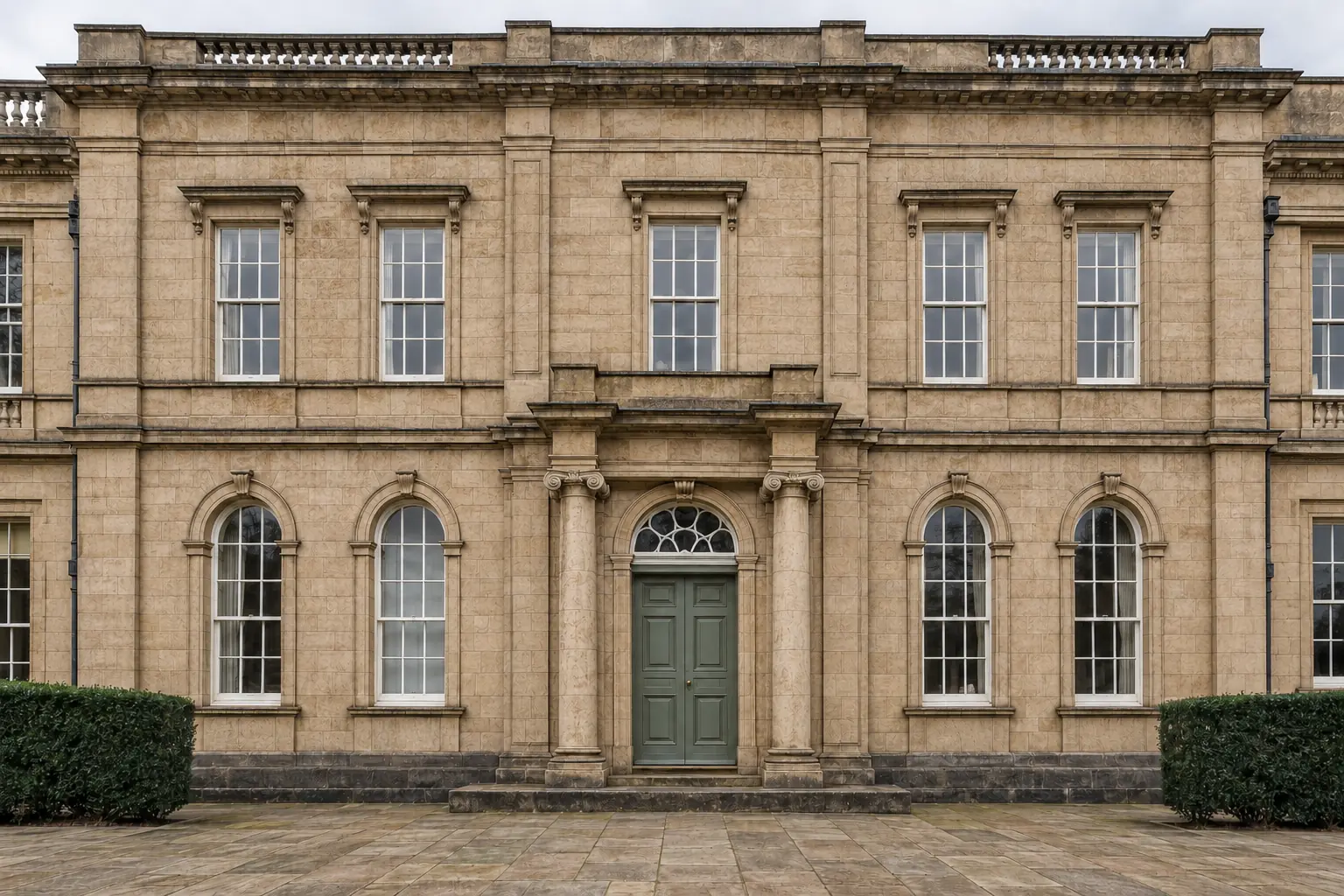
01 — Historic stone façades
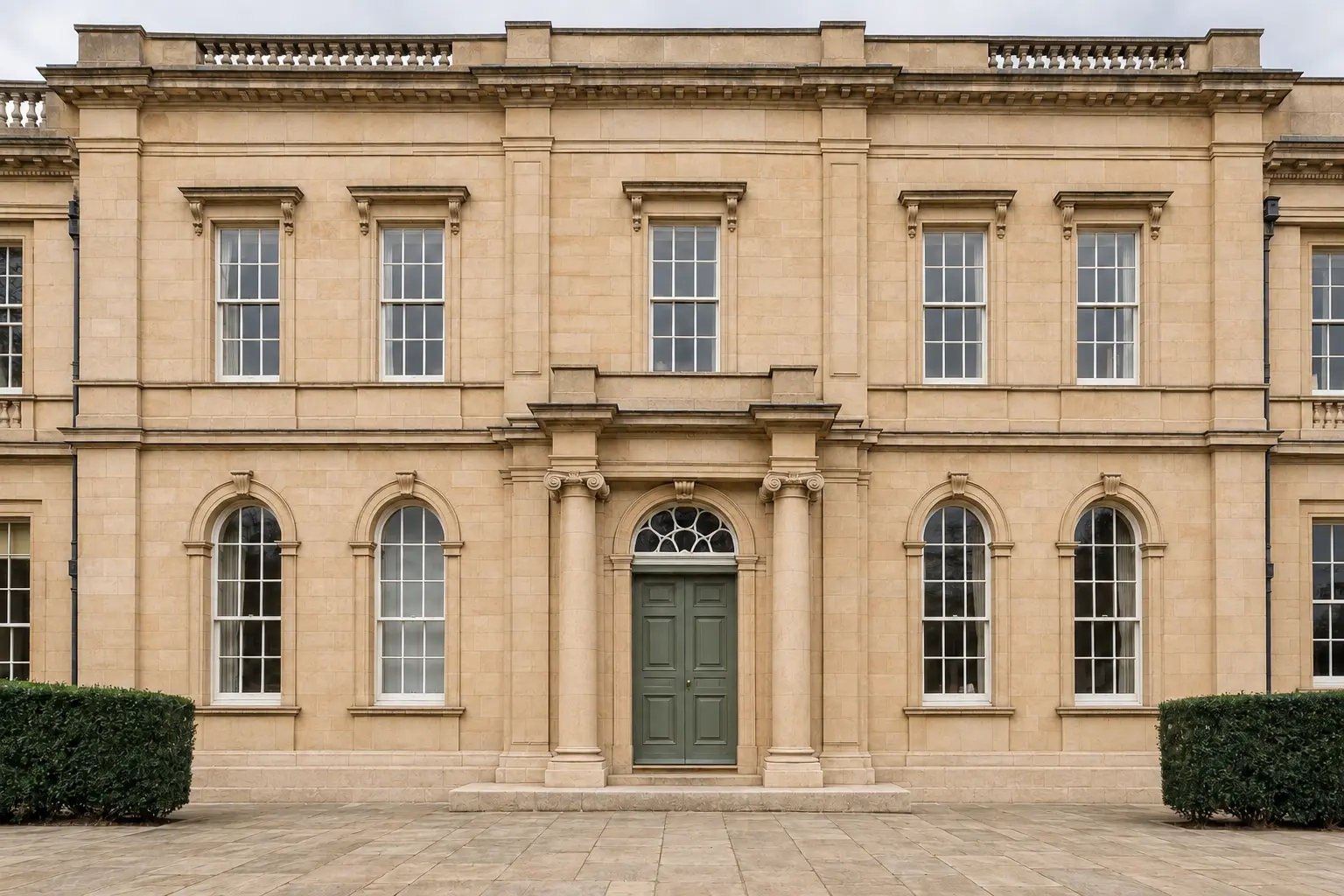
Atmospheric dirt, soot, pollution and biological deposits can gradually obscure the colour, texture and architectural definition of a stone façade. Following assessment and a test clean, the laser is adjusted to remove the unwanted surface layer progressively and with close control.
The aim is to reveal a cleaner, more legible façade while retaining the natural variation of the stone, its joints, tooling marks, mouldings and age-earned character. Historic stone should look carefully maintained—not newly manufactured.
Suitable applicationsFaçades, arches, columns, entrances and architectural details.
 BeforeAfter
Before: British heritage limestone façade with visible weathering before cleaning. After: The same British heritage limestone façade shown after cleaning.
02
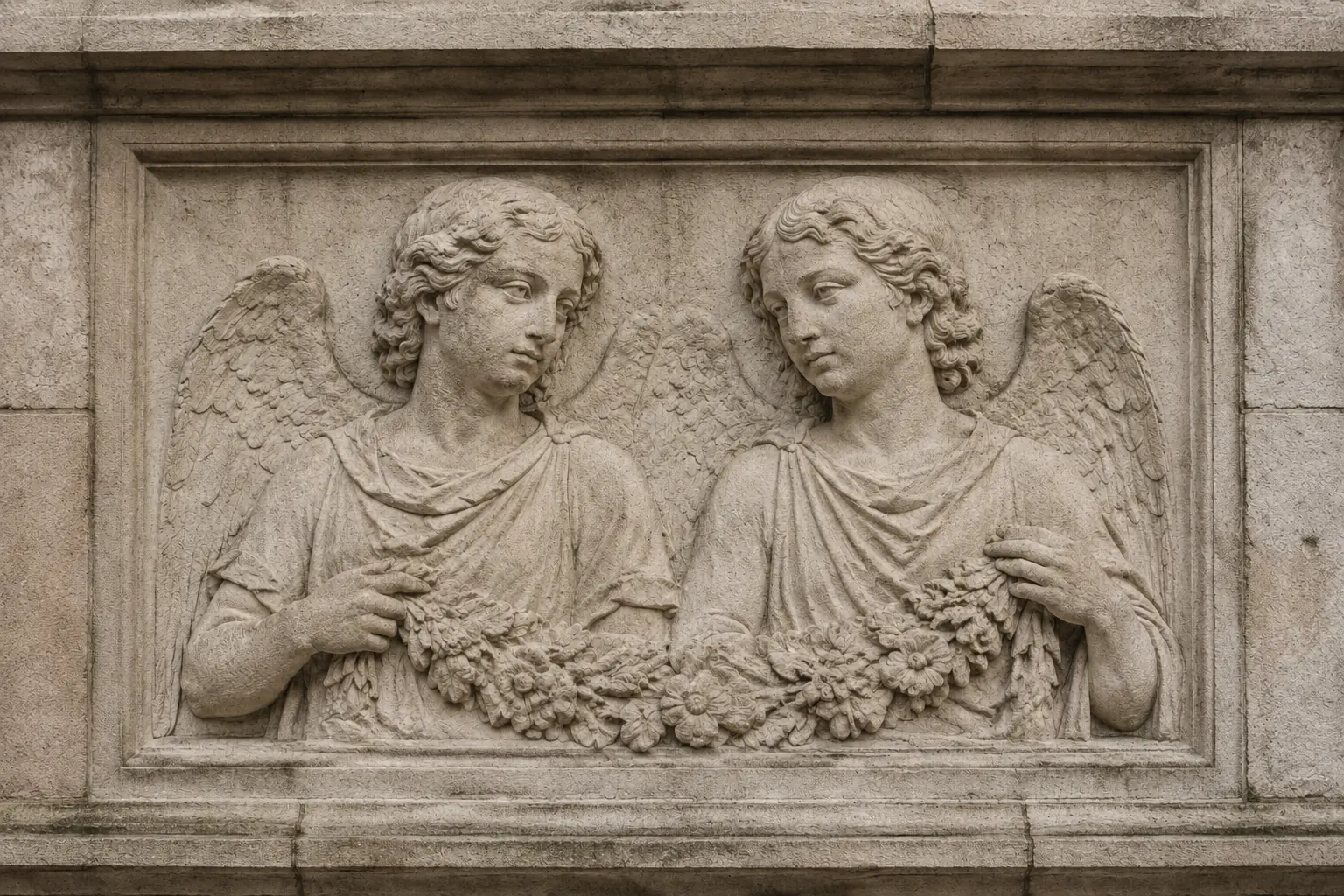
02 — Carved stone and sculpture
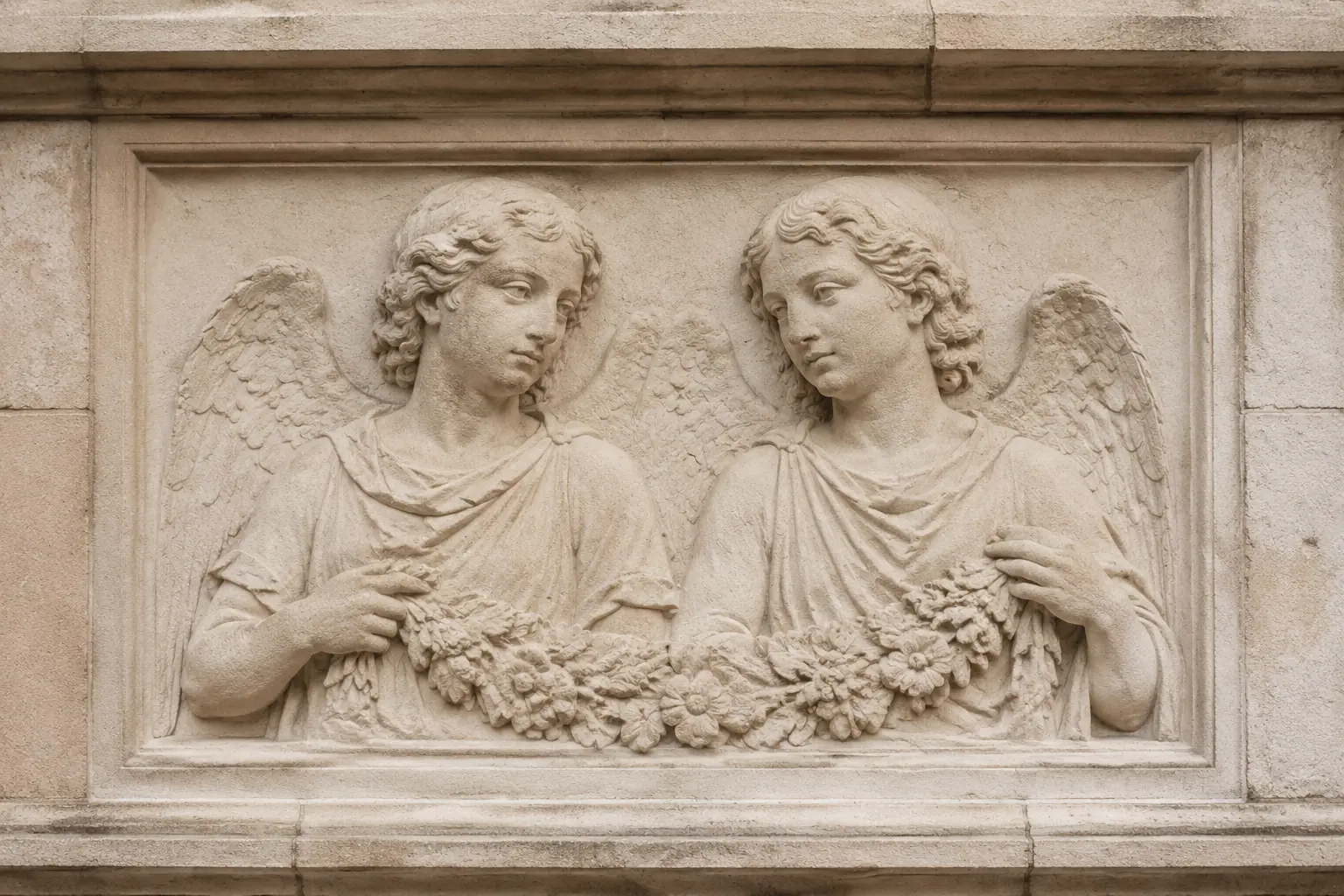
Carved stone concentrates craftsmanship and history in its smallest contours. Cleaning therefore needs to respect delicate edges, undercuts, facial features, lettering and the natural texture of the material.
Controlled laser passes remove surface deposits in stages, allowing the operator to respond to changes across the carving. The objective is not to make historic work look new, but to recover its definition and visual clarity while retaining its material character.
Suitable applicationsReliefs, sculpture, memorials, decorative panels, lettering and architectural ornament.
 BeforeAfter
Before: Weathered carved limestone relief of two angels before cleaning. After: The same carved limestone relief shown after cleaning.
03
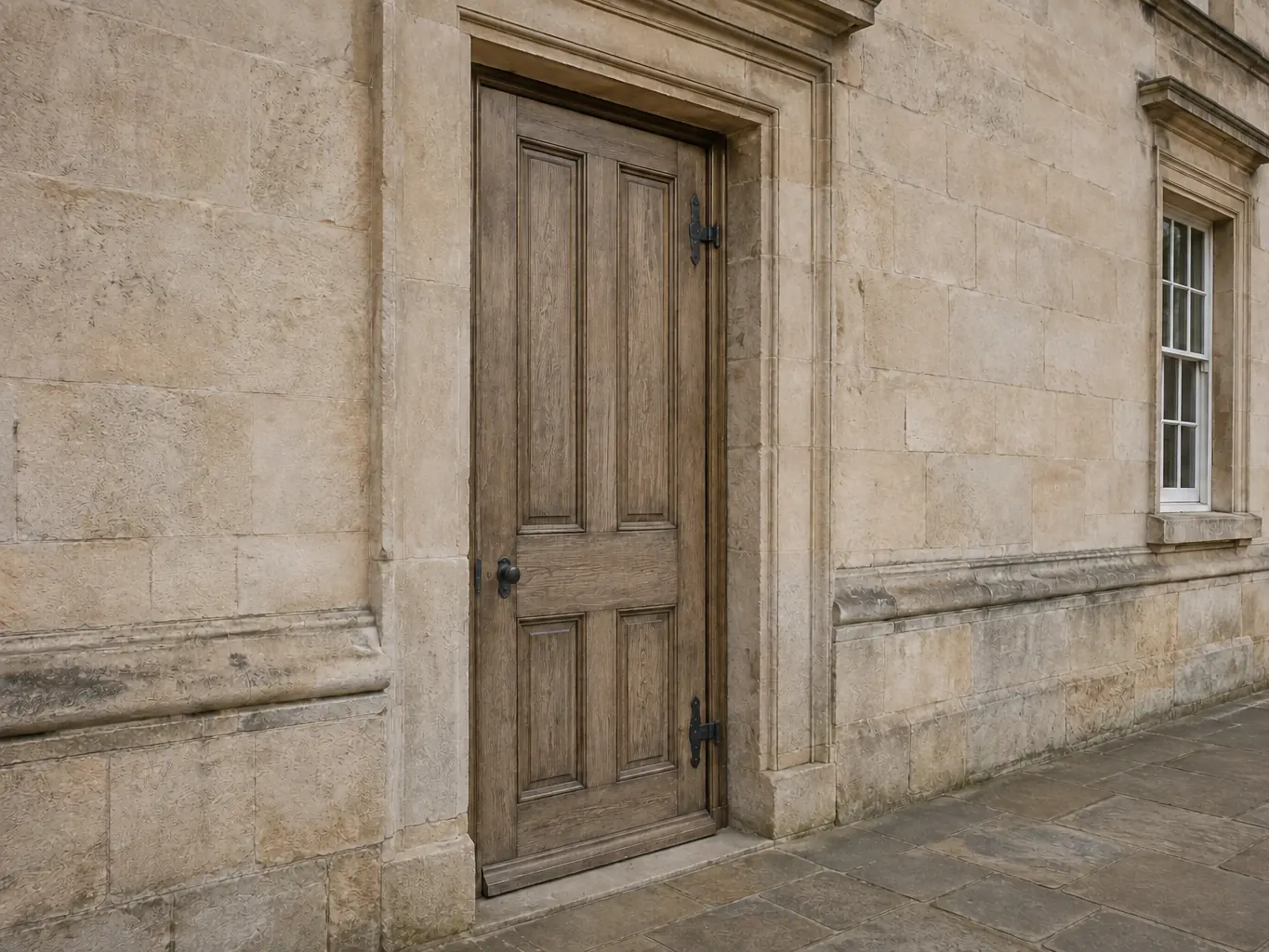
03 — Timber surface preparation
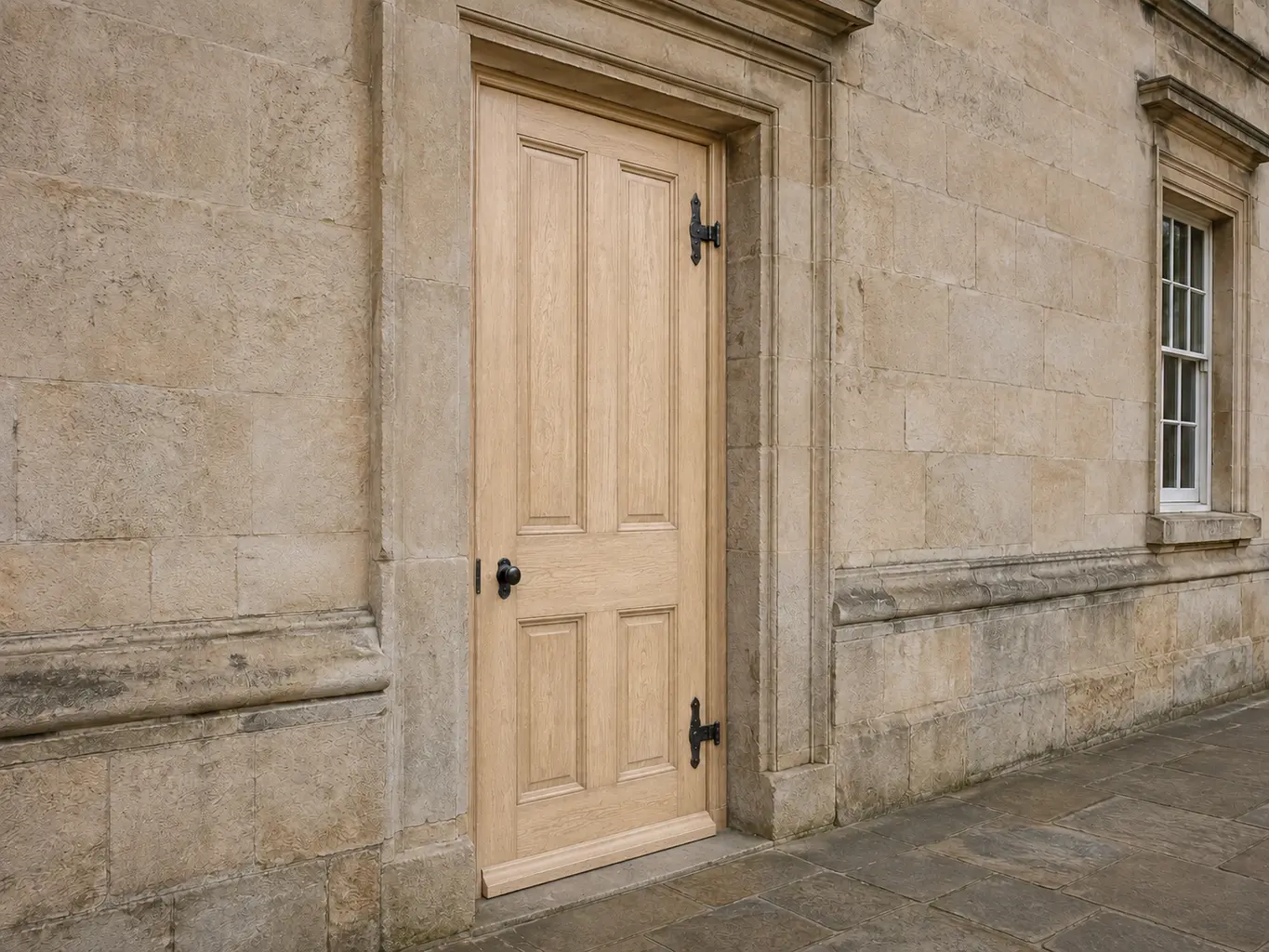
Historic timber can carry varnish, paint and successive later coatings that conceal its grain and profiles. Where inspection and test cleaning confirm that the substrate is suitable, laser cleaning can remove the complete coating build-up—from a single coat to many accumulated layers—while protecting the sound timber beneath.
The cleaned surface is then ready for any required repairs, light finishing and the specified protective or decorative coating system.
Laser cleaning is the preparation stage; it is not the final decorative finish.
Suitable applicationsDoors, panelling, beams, mouldings and architectural joinery.
 BeforeAfter
Before: Weathered historic timber door before cleaning. After: The same historic timber door with the accumulated coating removed.
04
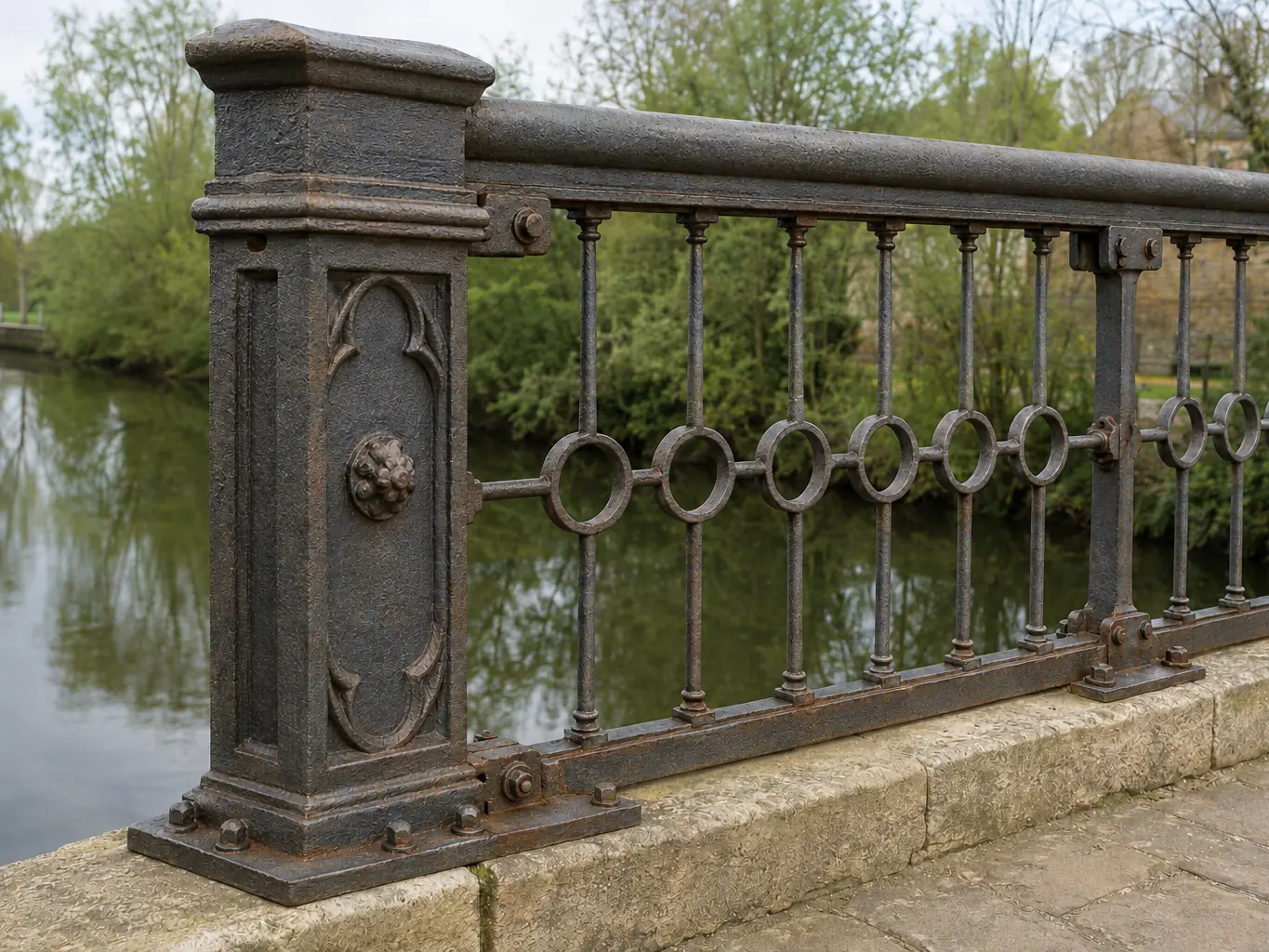
04 — Metal and architectural ironwork
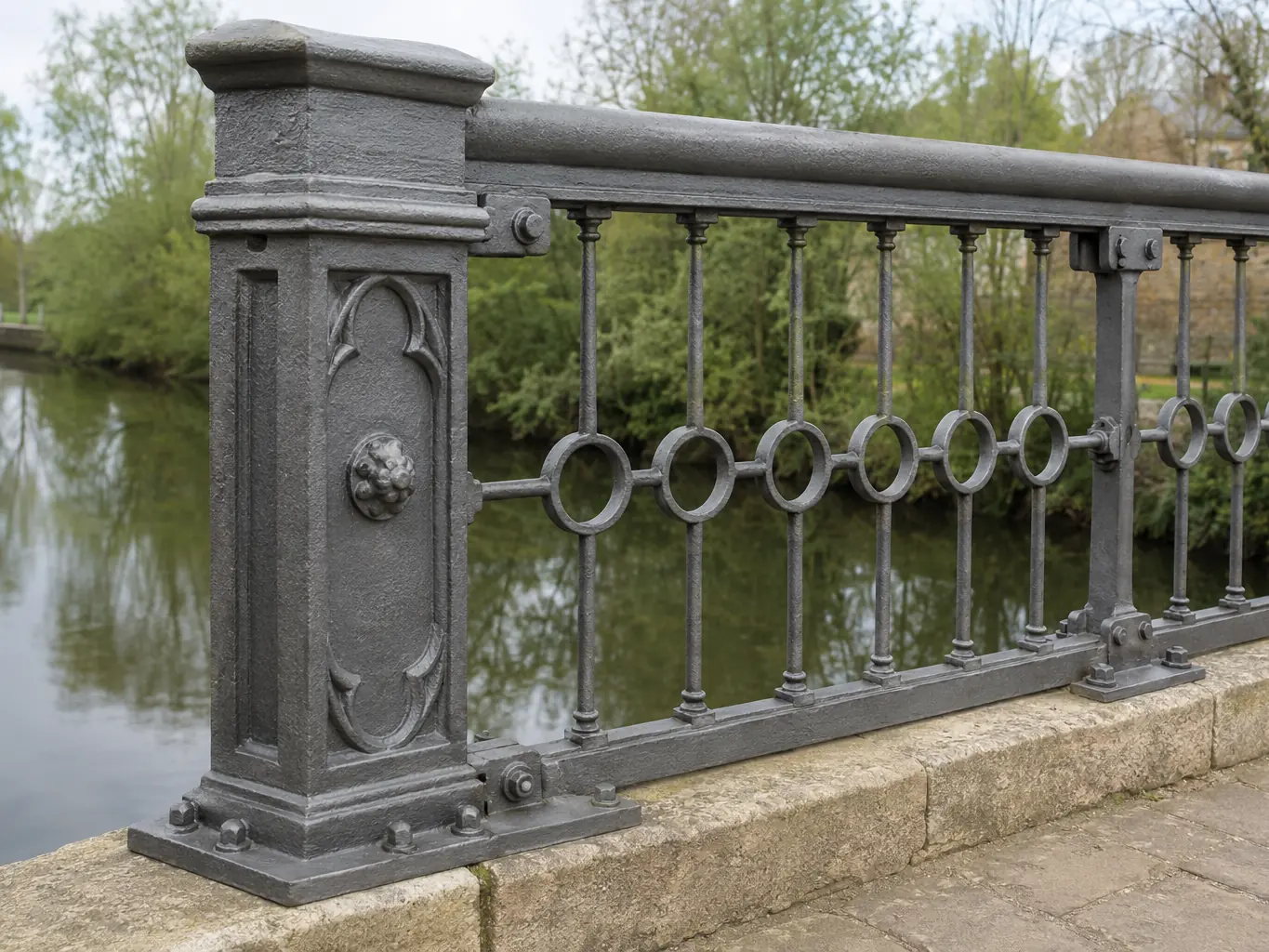
Successive paint systems and corrosion can conceal joints, fixings, rivets and decorative detail. Where test cleaning confirms suitability, controlled laser treatment can remove the complete build-up—from a single coating to multiple accumulated paint layers—together with surface corrosion, while protecting the sound metal beneath.
Cleaning exposes the substrate for inspection and prepares it for any necessary repairs, priming and the specified protective paint system.
Laser cleaning is surface preparation; it does not replace the final corrosion-protection coating.
Suitable applicationsRailings, gates, bridges, columns, machinery and decorative ironwork.
 BeforeAfter
Before: Historic iron bridge railing with visible paint failure and surface corrosion before cleaning. After: The same historic iron bridge railing after surface preparation.
Our approach
We identify the substrate, its condition and the layer that needs to be removed.
A representative test clean helps establish the appropriate working parameters and expected result.
We clean progressively and leave timber or metal ready for the correct repair, primer or coating stage.
Aquastop PRO nano coating to help protect the surface after cleaning.
Project enquiries
Every surface is different. If you’d like to explore whether laser cleaning may be suitable for your property, you’re welcome to send a few photographs, the location and a brief note about the surface. We’ll review them carefully and let you know whether a test clean may be a sensible next step.